
Tell us about your symptoms
Share what you are experiencing and how long it has been going on.
Get help from a pharmacist for common conditions without needing to see a GP first, where appropriate. We’ll assess your symptoms, talk through the best next step and advise on self-care, over-the-counter options or NHS treatment where clinically suitable.
We’ll guide you through a simple pharmacist-led assessment before advising on the safest next step.
Share what you are experiencing and how long it has been going on.
We’ll talk through your symptoms, medicines, and relevant medical history.
You may receive self-care guidance, over-the-counter options, or NHS treatment where appropriate.
If Pharmacy First is not suitable, we’ll explain the safest next route for you.
Support for common conditions, subject to pharmacist assessment and the relevant NHS clinical pathway.
 12 years and over
Tap to view what the pharmacist may ask and the next-step guidance.
 5 years and over
Tap to view assessment guidance, support options, and referral notes.
 1 year and over
Tap to view what support may include when the clinical pathway is suitable.
 1 year and over
Tap to view how the pharmacist may assess symptoms and advise on next steps.
 18 years and over
Tap to view what the pharmacist may ask and when urgent follow-up may be needed.
 Women aged 16 to 64
Tap to view eligibility guidance, likely questions, and referral notes.
Pharmacy First may be suitable for patients with symptoms linked to the listed common conditions. The pharmacist will check your age, symptoms, current medicines and relevant health information before confirming whether the service fits the NHS pathway.
If Pharmacy First is not suitable, we may signpost you to another NHS service, your GP, NHS 111 or urgent care, depending on your symptoms.
Richer support guides for the Pharmacy First conditions we offer, subject to pharmacist assessment and the relevant NHS clinical pathway.
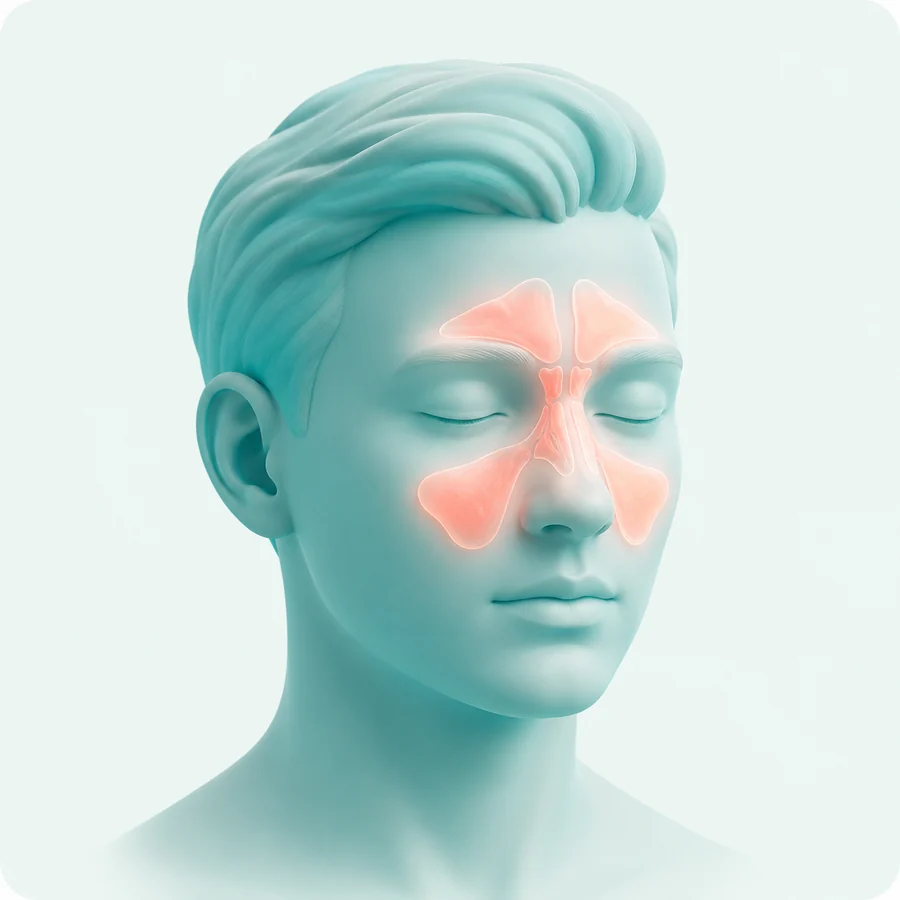
Sinusitis is swelling or inflammation of the sinuses, often after a cold or infection. It can cause pressure around the face, a blocked nose, and thick nasal discharge.
Usually for patients aged 12 years and over, subject to pharmacist assessment and the relevant NHS clinical pathway. Eligibility and treatment depend on symptoms, age, medical history, and clinical suitability.
The pharmacist will ask about your symptoms, how long they have been present, your age, medical history, current medicines, and any red flag symptoms.
A sore throat is pain, irritation, or discomfort in the throat, often worse when swallowing. It is commonly caused by viral infections but can sometimes need clinical assessment.
Usually for patients aged 5 years and over, subject to pharmacist assessment and the relevant NHS clinical pathway. Eligibility and treatment depend on symptoms, age, medical history, and clinical suitability.
The pharmacist may ask about fever, cough, swollen glands, tonsil appearance, how long symptoms have been present, and whether there are any warning signs.
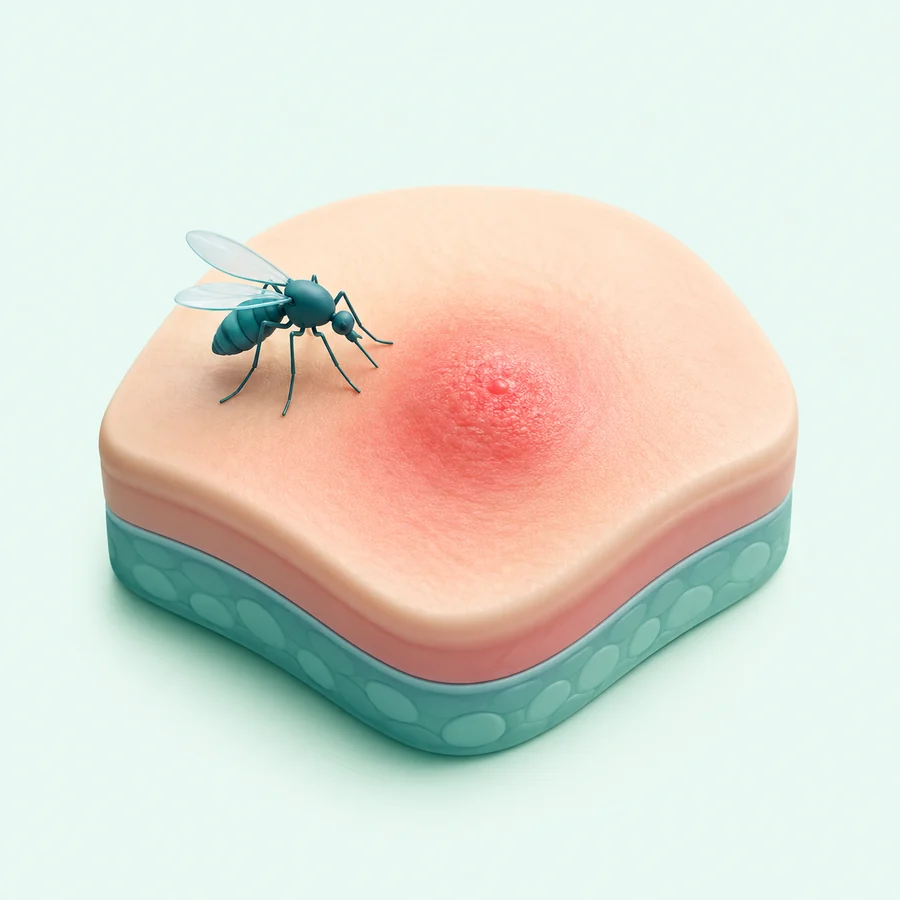
Insect bites or stings can sometimes become infected, especially if the area becomes increasingly red, swollen, painful, or warm.
Usually for patients aged 1 year and over, subject to pharmacist assessment and the relevant NHS clinical pathway. Eligibility and treatment depend on symptoms, age, medical history, and clinical suitability.
The pharmacist will ask when the bite happened, how the area has changed, whether symptoms are spreading, and whether you have a fever or feel unwell.
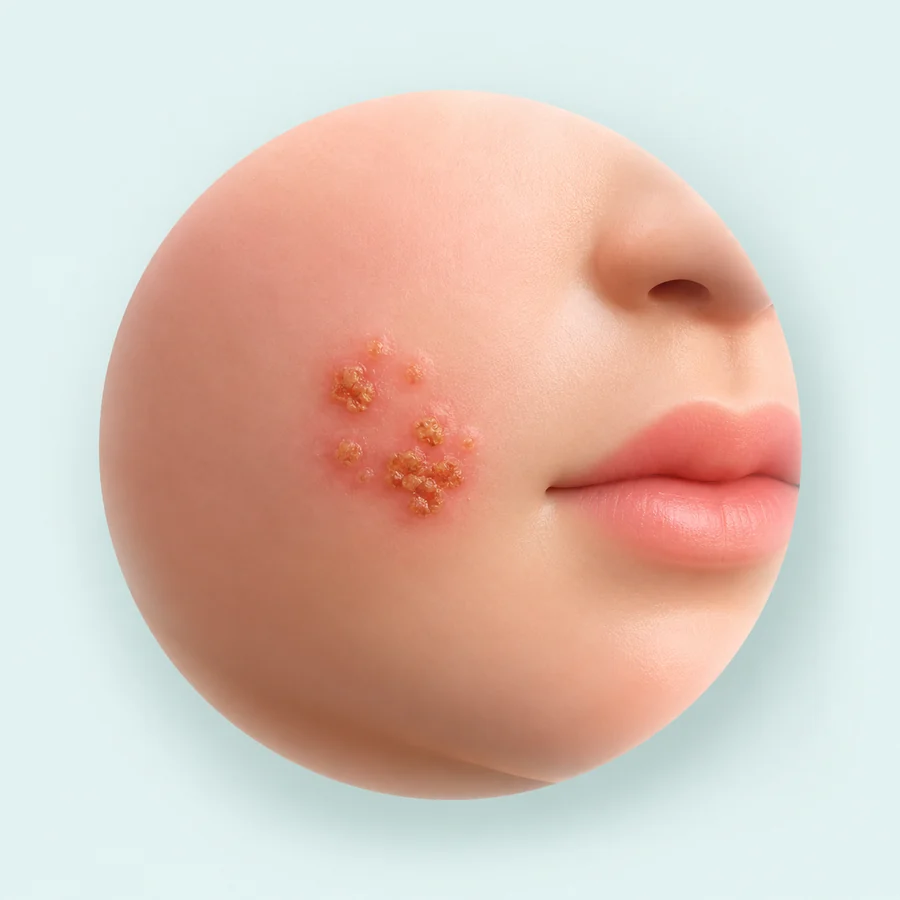
Impetigo is a contagious skin infection that can cause red sores or blisters, often with golden crusting. It can spread through close contact.
Usually for patients aged 1 year and over, subject to pharmacist assessment and the relevant NHS clinical pathway. Eligibility and treatment depend on symptoms, age, medical history, and clinical suitability.
The pharmacist will ask about the appearance of the skin, where the patches are, whether they are spreading, and whether anyone else has similar symptoms.
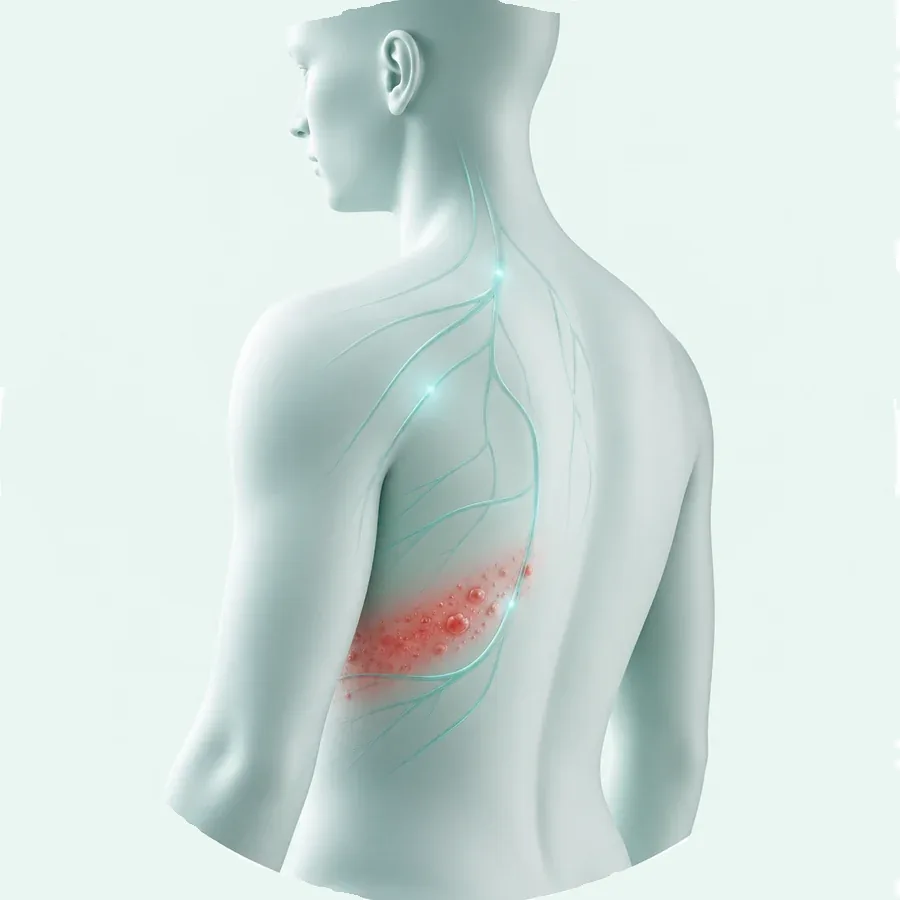
Shingles is a viral infection that usually causes a painful rash or blisters on one side of the body. It can be more serious in some people.
Usually for adults aged 18 years and over, subject to pharmacist assessment and the relevant NHS clinical pathway. Eligibility and treatment depend on symptoms, age, medical history, and clinical suitability.
The pharmacist will ask when symptoms started, where the rash is, whether blisters are present, your age, medical history, and whether you are at higher risk.
A urinary tract infection can cause discomfort when passing urine, needing to pass urine more often, or lower abdominal discomfort. Pharmacy First can support uncomplicated UTIs in eligible women.
Usually for women aged 16 to 64 years, subject to pharmacist assessment and the relevant NHS clinical pathway. Eligibility and treatment depend on symptoms, age, medical history, and clinical suitability.
The pharmacist will ask about your symptoms, how long they have been present, pregnancy status if relevant, medical history, current medicines, and whether there are signs of a more serious infection.
Speak to the Five Ways Pharmacy team and we’ll guide you through the next step.
Not usually for the Pharmacy First consultation itself. You can speak to the pharmacy directly and the pharmacist will assess whether the service is suitable for your symptoms.
Yes. Pharmacy First enquiries are handled in confidence. You can share your details discreetly, and our pharmacy team will review your request privately.
No. The pharmacist may give self-care advice, recommend an over-the-counter option, or supply NHS treatment only if it is clinically appropriate under the service pathway.
We’ll explain the safest next step, which may include your GP, another NHS service, NHS 111 or urgent care.
Yes. Pharmacy First is an NHS service in England for eligible patients when symptoms fit one of the clinical pathways and the pharmacist confirms the service is appropriate.
If symptoms are severe, worsening, or urgent, use NHS 111, contact your GP, or call 999 in an emergency.